June 2026

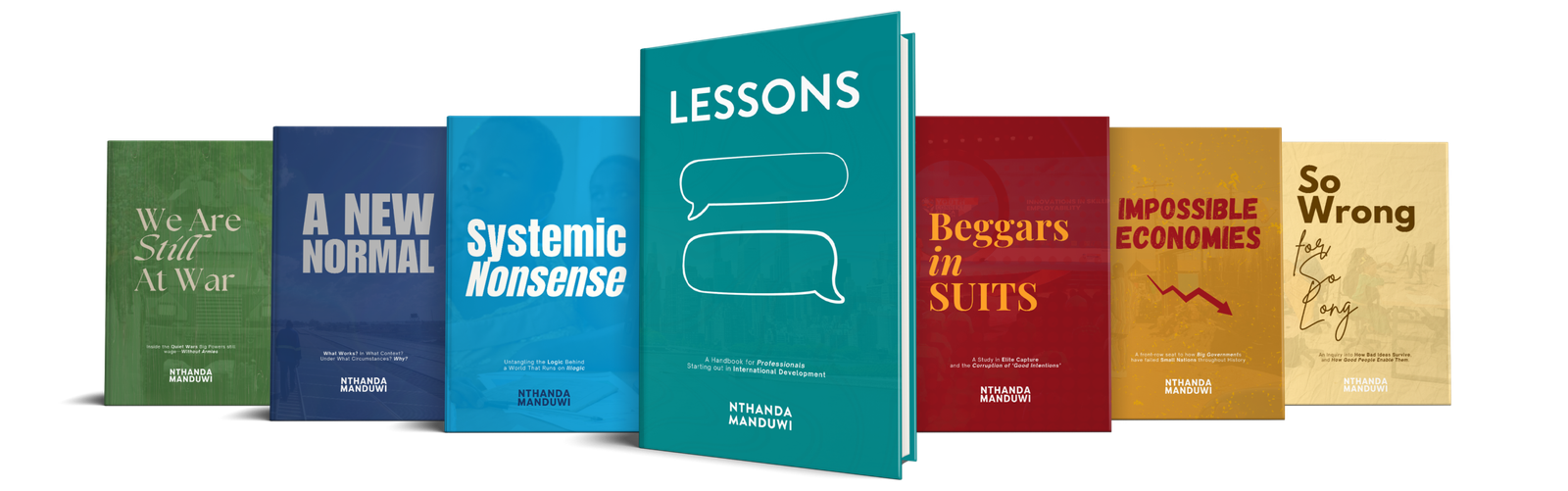
Lessons | BOOK 1

Written from inside the world of policy, evaluation, reform, and global institutions, ‘Lessons’ follows the early formation of professional judgement: the ambition that brings people into development, the ego that quietly shapes expertise, the humility required to learn, and the institutional realities that young professionals often discover only after entering the room.
Beggars in Suits | Book 2

‘Beggars in Suits’ enters the polished rooms where influence is exercised through proposals, partnerships, donor meetings, board presentations, policy language, and carefully managed respectability. It follows the rituals through which development actors ask for money, approval, legitimacy, access, and permission while appearing to stand in authority. The suit gives the ask a different form. The language professionalises dependence. The performance turns need into strategy.

Systemic Nonsense | BOOK 3

Written from the vantage point of a Malawian systems thinker who has moved through underdeveloped public systems, international institutions, and private-sector environments, ‘Systemic Nonsense’ gives language to dysfunction that many people experience daily but are often told to treat as accidental. It follows the strange consistency of broken systems: the forms that do not serve, the offices that delay, the procedures that protect no one, the rules everyone works around, and the public failures that continue because someone benefits from their continuation.

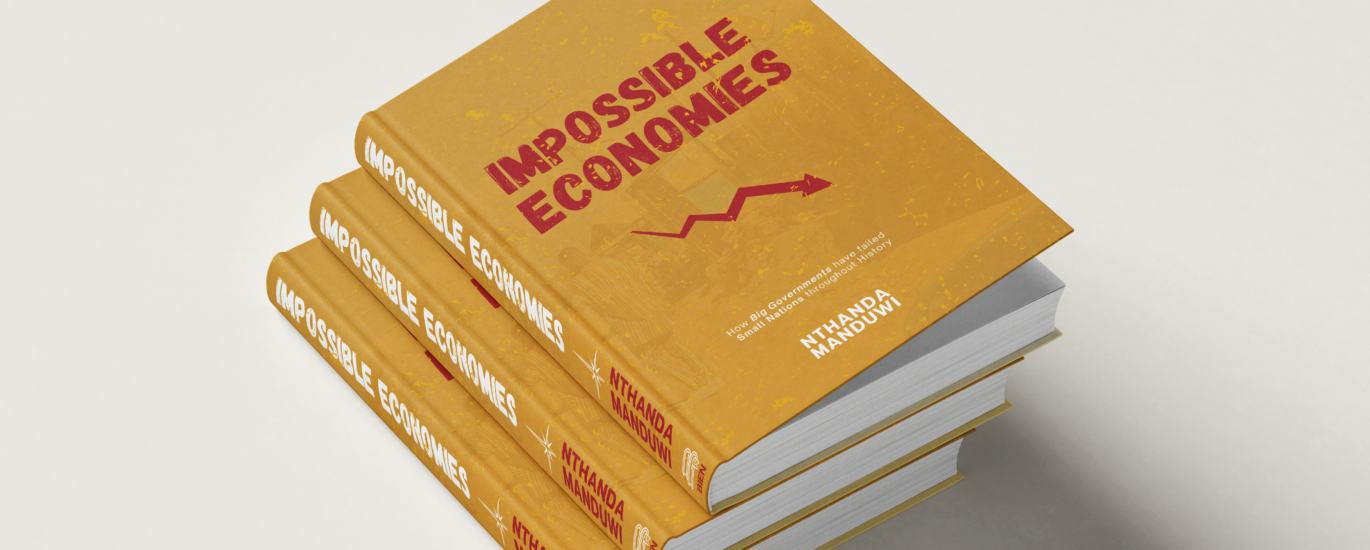
Impossible Economies | BOOK 4

Across much of the Global South, especially in Africa, official development language often describes countries through growth rates, debt ratios, formal employment, investment flows, and institutional rankings. Daily life tells a fuller story. People survive through informal trade, kinship networks, side businesses, remittances, negotiated access, personal relationships, and constant improvisation. Governments appear large on paper and weak in practice. Societies appear informal because the formal economy has failed to absorb the intelligence, labour, and resilience already present.

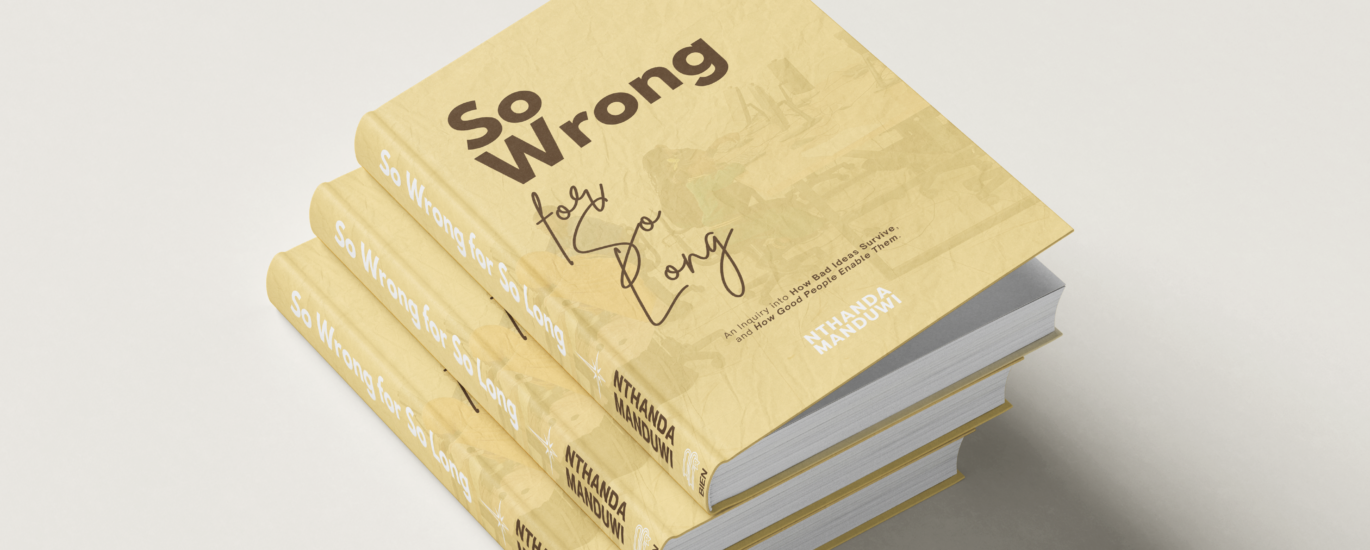
So Wrong for So Long | BOOK 5

So Wrong for So Long follows the habits that make failure survivable: the language, incentives, reporting systems, professional silences, and institutional routines that allow weak ideas to continue after evidence has arrived.

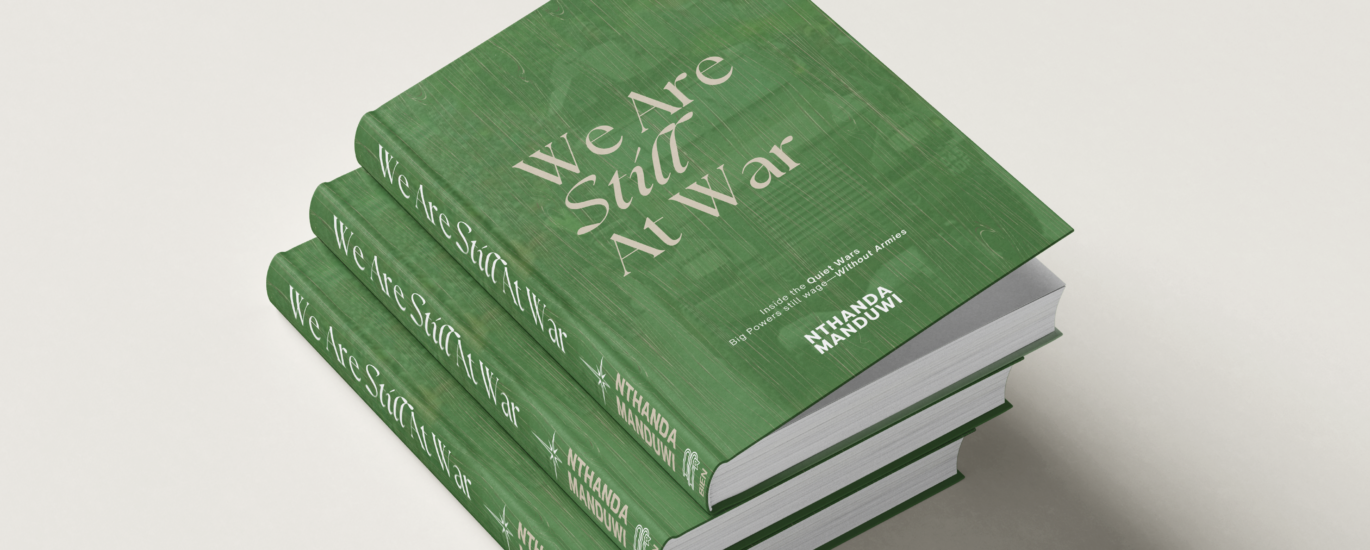
We Are Still at War | BOOK 6

Beginning from Malawi, a country often described through peace, gentleness, and political calm, Nthanda Manduwi follows a harder question: what does peace mean in a world still organised through extraction, debt, dependency, trade pressure, diplomatic hierarchy, knowledge control, and economic vulnerability? The book moves beyond the battlefield to study the forms of conquest that continue after formal colonialism, often through institutions that speak the language of cooperation.

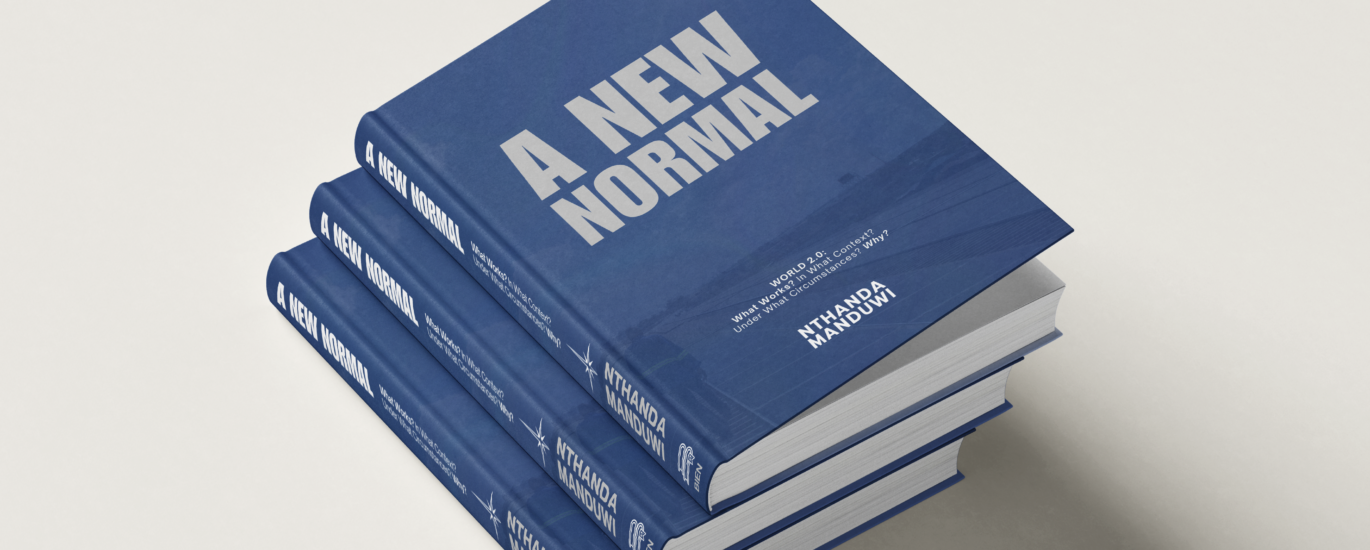
A New Normal [World 2.0] | BOOK 7

After tracing failure, power, dysfunction, impossible economies, denial, and the quiet wars that still shape the Global South, Nthanda Manduwi turns towards the work of building. ‘A New Normal’ asks what countries, institutions, entrepreneurs, and communities can do when knowledge is more available than ever, but execution under constraint remains the central challenge.