The Saviours
Colleagues, Partners, Friends,
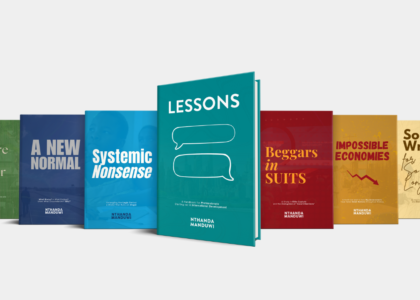
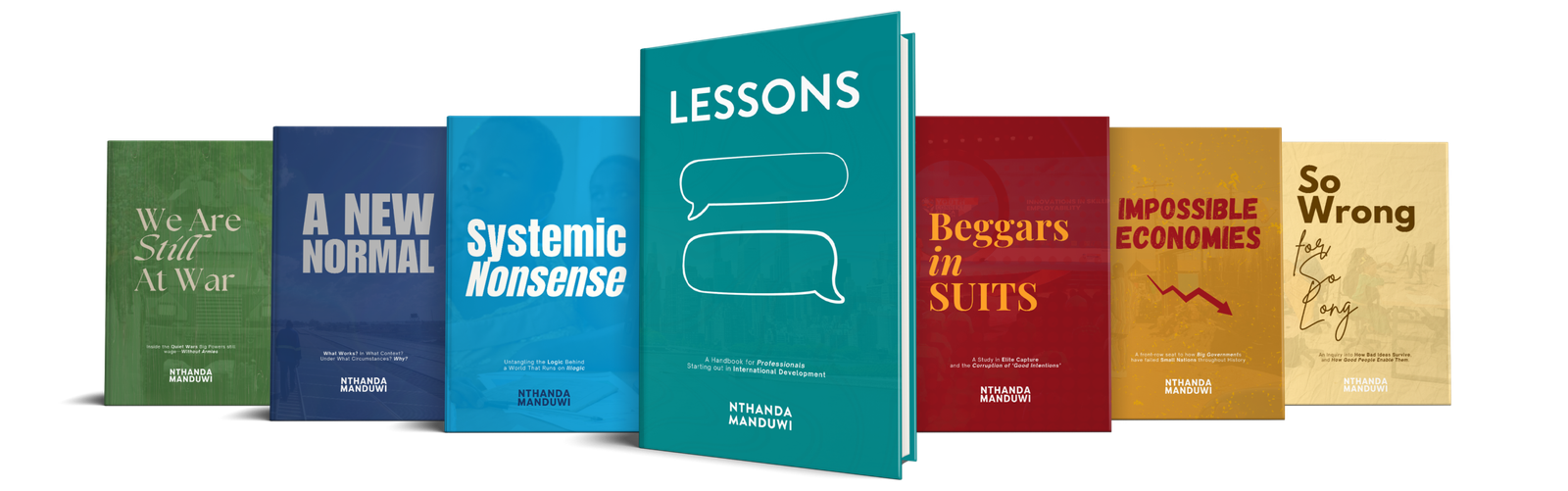
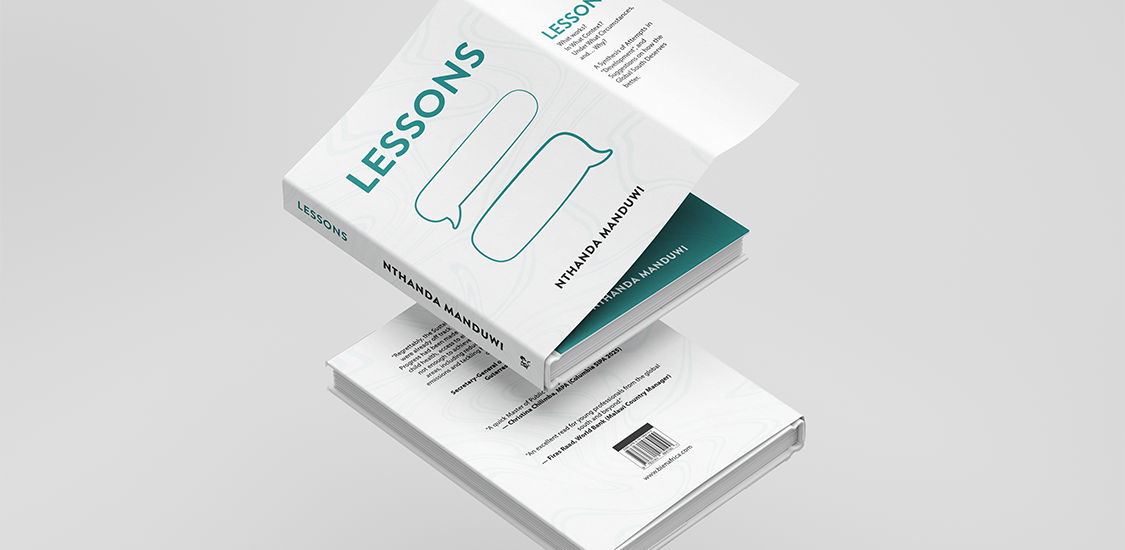
Before you turn the first page of this book [series], I want to pause and take a moment with you – to share my heart and my intentions behind these works. This book, which eventually, as I wrote, grew to become a full series, is not a book of criticism.
On my trip to New York City during the 80th United Nations General Assembly in 2025 on invitation as a delegate of the newly established UN Youth Office, I met up with my former manager at UNDP for coffee. We spoke candidly about many things, but one conversation stuck with me: we spoke about our personal egos — how they quietly shape the way we work in development.
The international development sector is a field filled with some of the most brilliant, accomplished, and passionate people on earth. That concentration of talent should be our greatest strength; yet so often, it becomes our greatest weakness. We are so used to being the smartest person in the room, so trained to defend our expertise, that we, sometimes, struggle to let go, to question, or to admit when our cherished idea(s) no longer works.
In an age where knowledge creation and processing are increasingly democratized, the future of development will depend less on who has the cleverest framework and more on who has the humility to course-correct. Our ability to detach identity from being “right” — to let reflection interrupt ego — will define whether we build systems that truly serve or continue to protect themselves.
To me, this is a book series of reflection, learning, and a call for transformation. It is born not from frustration or bitterness, but from a deeply-rooted belief that we can do better, that we must do better, if we truly wish to create sustainable change in the world we serve.
In my time working within global development systems, particularly during my journey working full-time as an evaluation analyst with the United Nations, and managing national projects with the World Bank and the European Union, that I witnessed firsthand the remarkable work being done by talented, passionate individuals like you. I carry immense respect for the commitment and dedication of those who tirelessly champion change, often against insurmountable odds. This book is not a critique of any individual. It is not aimed at diminishing the efforts we have collectively made or the progress we have achieved. Instead, it seeks to challenge the systems we operate within — systems that, despite our best intentions, continue to hold us back from achieving the scale of impact we envision.
I write these books as a learning young professional (still), one who remains deeply passionate about transforming our world. I think that we still stand a chance to do something here, and I think new technologies, and specifically artificial intelligence, give us a better chance. I think that we must try. I know that meaningful change begins with reflection. It begins when we take a step back and examine the structures, processes, and frameworks that guide our work. This book is an invitation to do just that — to reflect, to question, and to envision what could be if we rethought and reimagined the way we engage in development.
I do not claim to have all the answers — far from, in fact; nor do I expect these books to solve the systemic challenges that have existed for decades. But what I do offer is a perspective: a voice of someone who has worked within the systems, who understands their complexities, and who still believes in their potential. I offer ideas not to criticize, but to provoke thought, to encourage dialogue, and to inspire innovation.
As you read, I hope you find space to reflect on your role within these systems. I hope you see opportunities for systemic transformation and organizational learning, and that these books spark conversations that extend beyond their pages — conversations that lead to actionable change.
I hope we get to reflect not only on the limitations we have encountered but on the possibilities we can create when we work together. I hope we remember that transformation is not a threat to the work we’ve done; but rather the next step in its evolution. We owe it to ourselves, to those we serve, and to future generations to build systems that are dynamic, inclusive, and responsive to the needs of a rapidly changing world.
These works are my contribution to that vision, and I am grateful that you are here to share this journey with me. Thank you for opening your minds to what is possible.
With respect and hope,
Nthanda Manduwi